Background


The Sproul Club project aimed to create a centralized platform for students to discover and connect with clubs at UC Berkeley. As a Product Designer, I played a key role in designing the club pages and discovery cards, crucial elements for user engagement and club visibility. This project spanned [mention the timeframe, e.g., 6 months from initial concept to beta launch and iteration]. My focus was on creating intuitive and visually appealing interfaces that facilitated seamless club discovery and interaction, contributing to a significant increase in user engagement.

Process

My design process was iterative and user-centered. I began by conducting user research to identify key user needs and preferences. This research informed the initial design of the club cards and pages. I then created multiple iterations of the card designs, focusing on visual hierarchy, information architecture, and user experience. I used Figma to create wireframes, mockups, and interactive prototypes.

My design process was iterative and user-centered. I began by conducting user research to identify key user needs and preferences. This research informed the initial design of the club cards and pages. I then created multiple iterations of the card designs, focusing on visual hierarchy, information architecture, and user experience. I used Figma to create wireframes, mockups, and interactive prototypes.

User Research

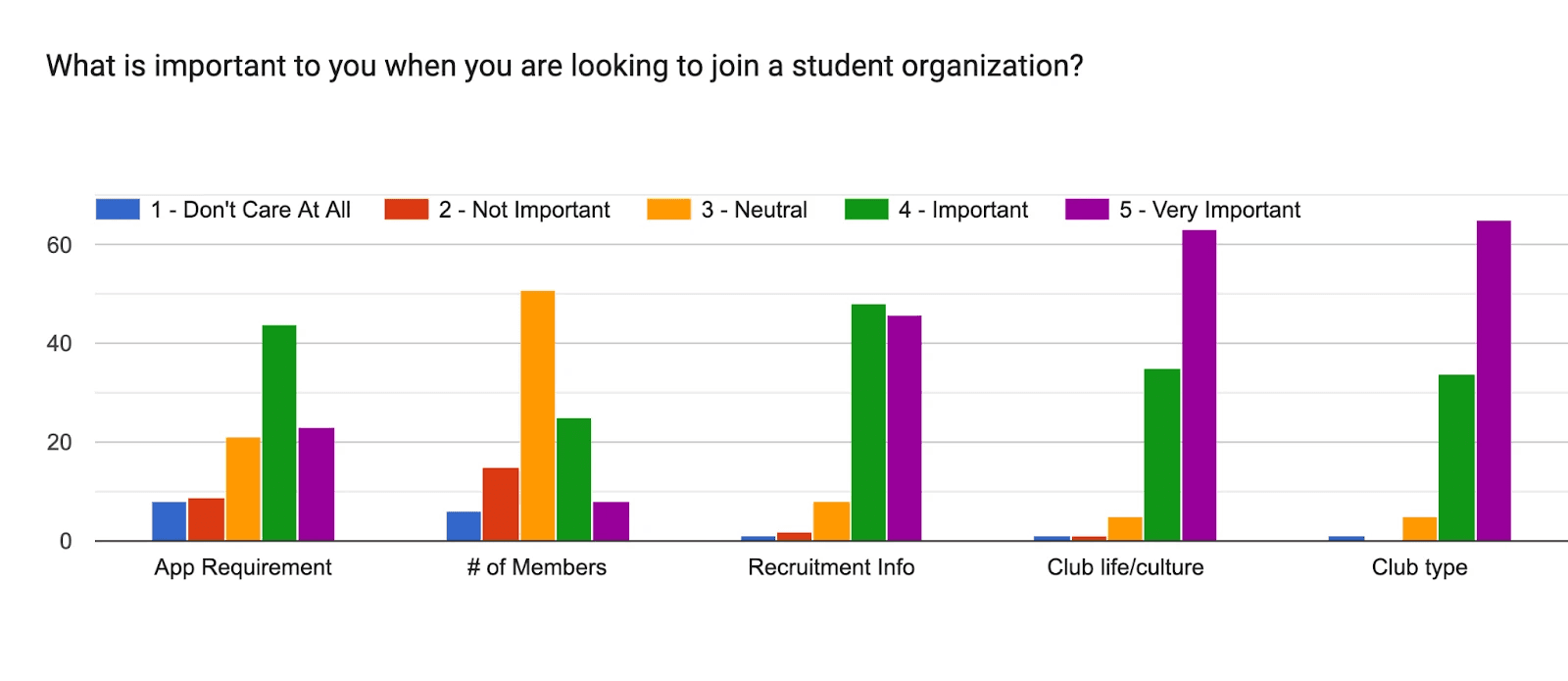
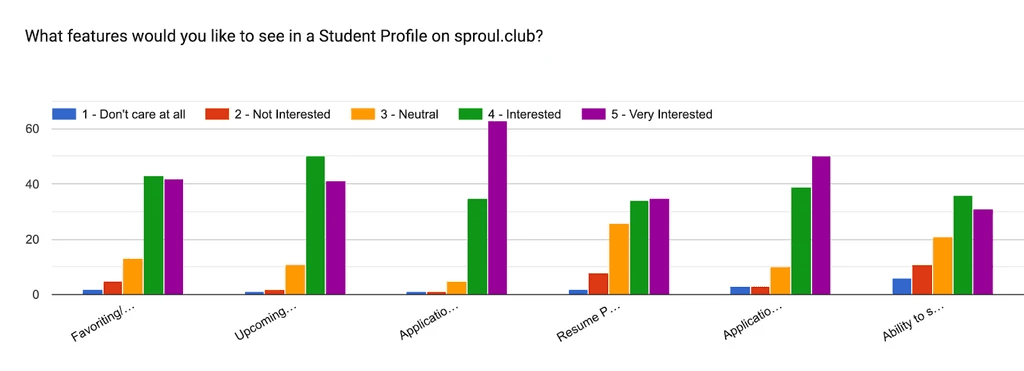
I joined the team post the Beta launch, which didn’t involve any product designers and was a bare bones set up to help the team demo and showcase the desired functionality. With the addition of product designers, we conducted student surveys on campus to receive feedback on the usefulness of our features. The survey had 105 responses.

Project Summary

Team: 2 project managers + 4 designers +

6 developers

Timeline: 6 Months

Skills

UI/UX Design

Frontend Engineering

Prototyping

Tools

Figma


Tools

Figma


My Role

As the Product Designer, I was responsible for the end-to-end design process of the club pages and home page club cards. My responsibilities included:

Conducting user interviews and surveys to understand student needs and pain points related to club discovery.

Iterating on card designs based on user feedback and best practices.

Creating low-fidelity wireframes and high-fidelity mockups for club pages and cards.

Developing interactive prototypes in Figma for user testing and stakeholder review.

Collaborating with club administrators to gather feedback and ensure accurate representation of club information.

Analyzing user data to optimize design decisions and improve user engagement.

Sproul.club

The Challenges

The Solution

The COVID-19 pandemic made it more difficult for Berkeley students to find campus clubs to join and pertinent recruitment information, which ultimately limits their student experience.
An online platform that helps students discover clubs that are aligned with their interests and organize all this important recruitment information.


An online platform that helps students discover clubs that are aligned with their interests and organize all this important recruitment information.


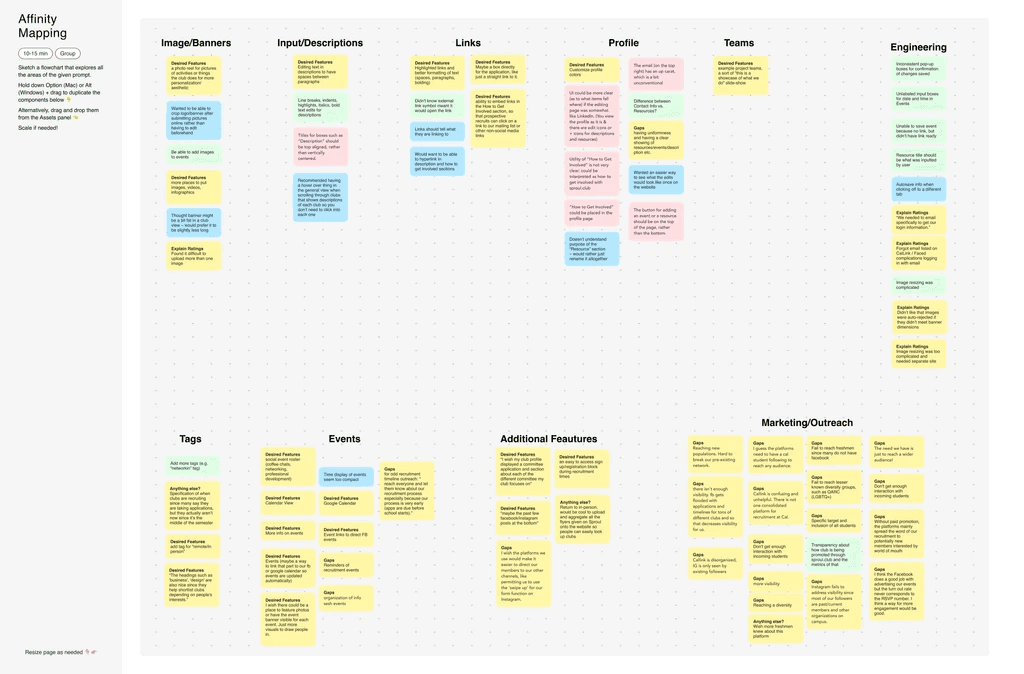
We then mind mapped the detailed responses and suggestions from the survey to prioritize revisions needed for the club page.

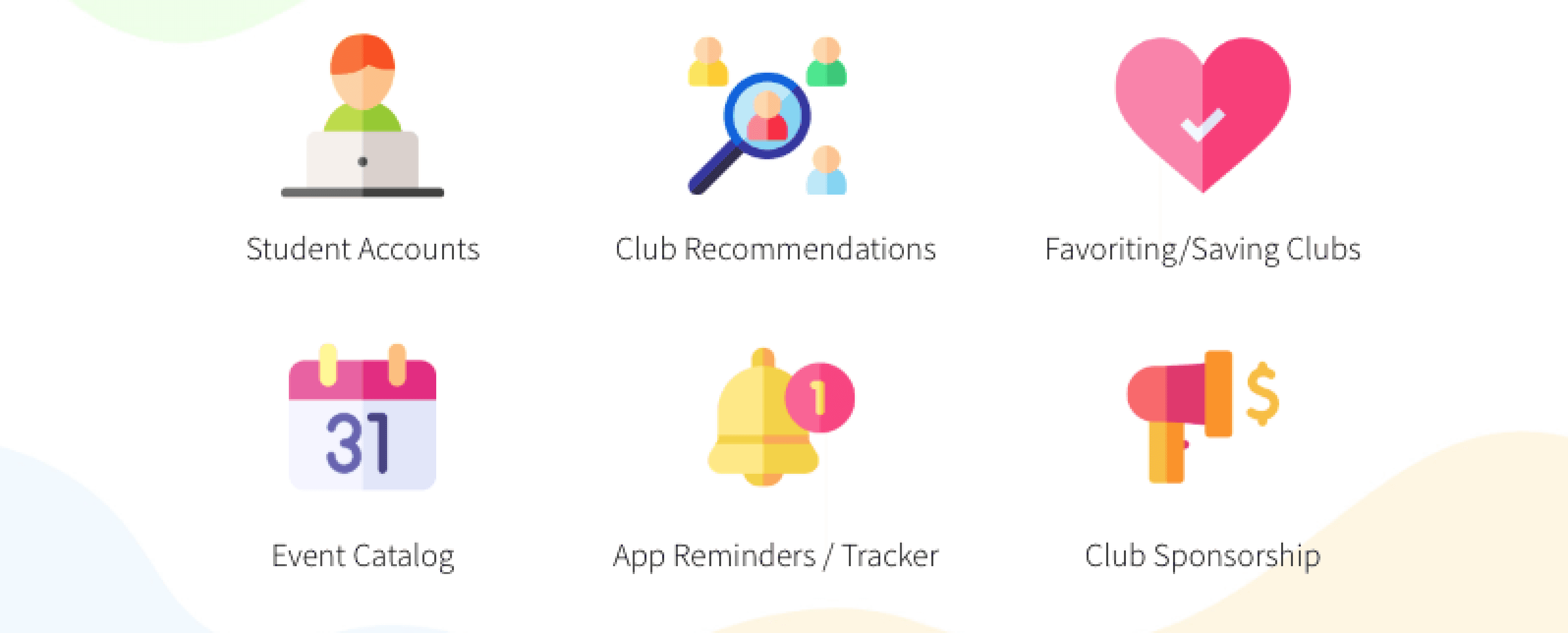
With the goal of sproul.club being the one stop shop for club recruitment at UC Berkeley and the research completed, we narrowed down on a few features we decided to prioritize for the first launch.

Final Prototype

User Feedback

We actively sought feedback from students and club administrators throughout the design process. We incorporated their feedback to refine the designs and ensure they met user needs. This resulted in us removing extraneous cards, including more graphics and photography, and simplifying the tabloid view to avoid information overload.

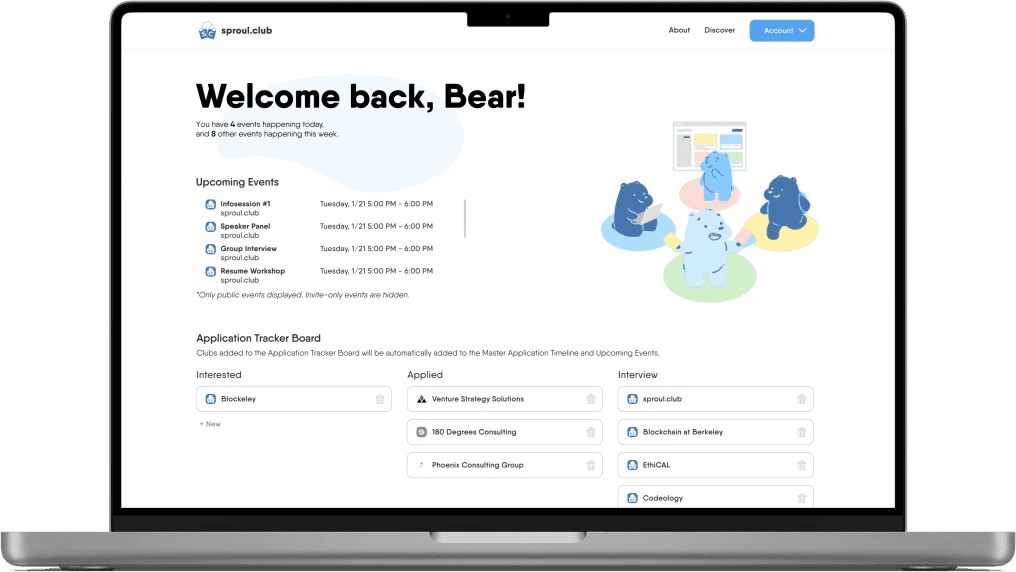
We also worked with our engineers to prioritize solutions that reduce eng debt and unnecessary complexity. This resulted in us removing arrows in the Application Tracker kanban board in favor of a more direct drag and drop option. We also leveraged familiar UIs and created a calendar view that replaced the timeline view.

Takeaways

This was a very special project for me to work on, both from the perspective of a student looking to understand the club landscape in UC Berkeley as well as an executive leader in a club hoping to better market to perspective members on campus. Collaborating with a cross-functional team through the entire product lifecycle was an invaluable learning experience. Our shared student experiences navigating campus clubs fostered exceptionally smooth communication and understanding within the team.

Impact and Results

My design contributions directly impacted the success of the Sproul Club platform. Key results include:

Increased unique user base from 3,000 to over 10,000 after beta launch and subsequent iterations.

Achieved a 64% satisfaction rate among survey respondents, who identified Sproul Club as their preferred platform for discovering clubs.

Positive feedback from club administrators regarding the clarity and effectiveness of the club pages.

My design contributions directly impacted the success of the Sproul Club platform. Key results include:

Increased unique user base from 3,000 to over 10,000 after beta launch and subsequent iterations.

Achieved a 64% satisfaction rate among survey respondents, who identified Sproul Club as their preferred platform for discovering clubs.

Positive feedback from club administrators regarding the clarity and effectiveness of the club pages.

Reflection

Areas of Improvement

We were a team that worked quickly with multiple sprint cycles but not much documentation of the process. This resulted in multiple iterations of mocks, graphics, and user studies that were only recapped through weekly meeting notes and presentations. If we had dedicated effort into organizing explicit documentation, we could’ve insured smoother handoff to the next designers.

Club Page Iterations

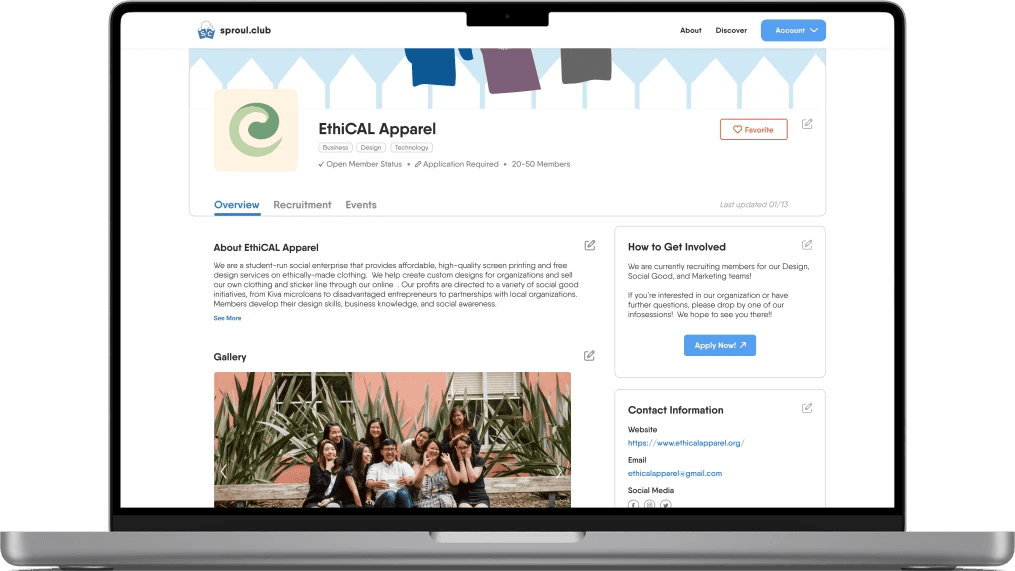
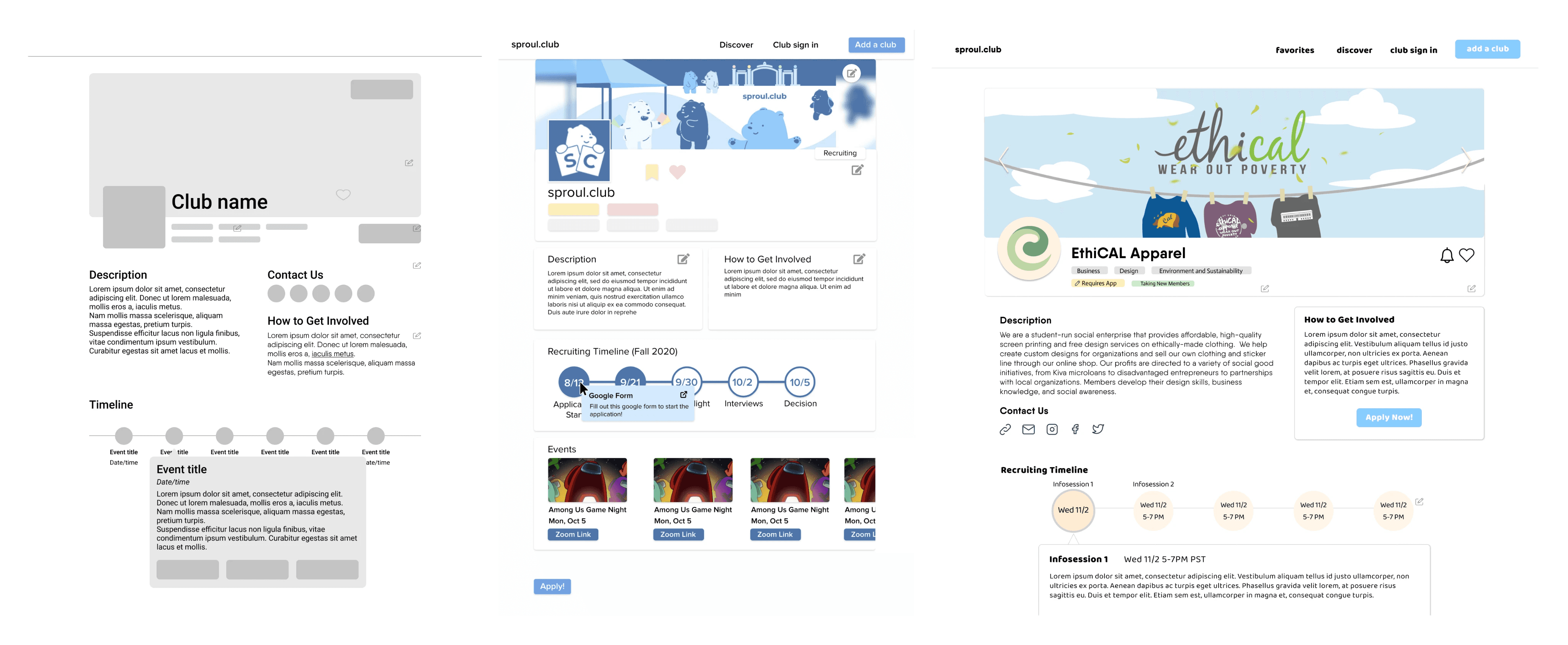
The team of designers then separately brainstormed different iterations of the club page that included the features we identified as priority. We experimented with different layouts, image treatments, and information displays.


We focused on making the cards visually engaging and easy to scan, highlighting key information such as club name, category, and a brief description. We designed the club pages to provide comprehensive information about each club, including meeting times, contact information, and event calendars. I prioritized clear navigation and a consistent visual style.

Club Page Iterations

The team of designers then separately brainstormed different iterations of the club page that included the features we identified as priority. We experimented with different layouts, image treatments, and information displays.


We focused on making the cards visually engaging and easy to scan, highlighting key information such as club name, category, and a brief description. We designed the club pages to provide comprehensive information about each club, including meeting times, contact information, and event calendars. I prioritized clear navigation and a consistent visual style.

Final Prototype

Process